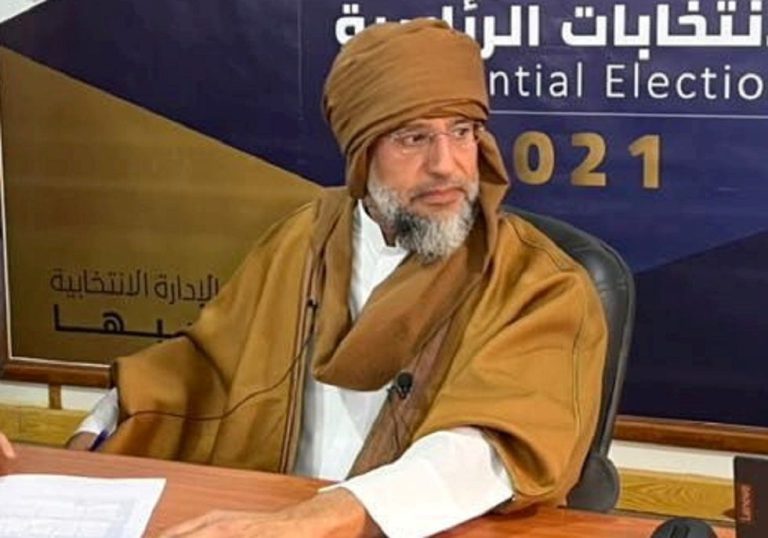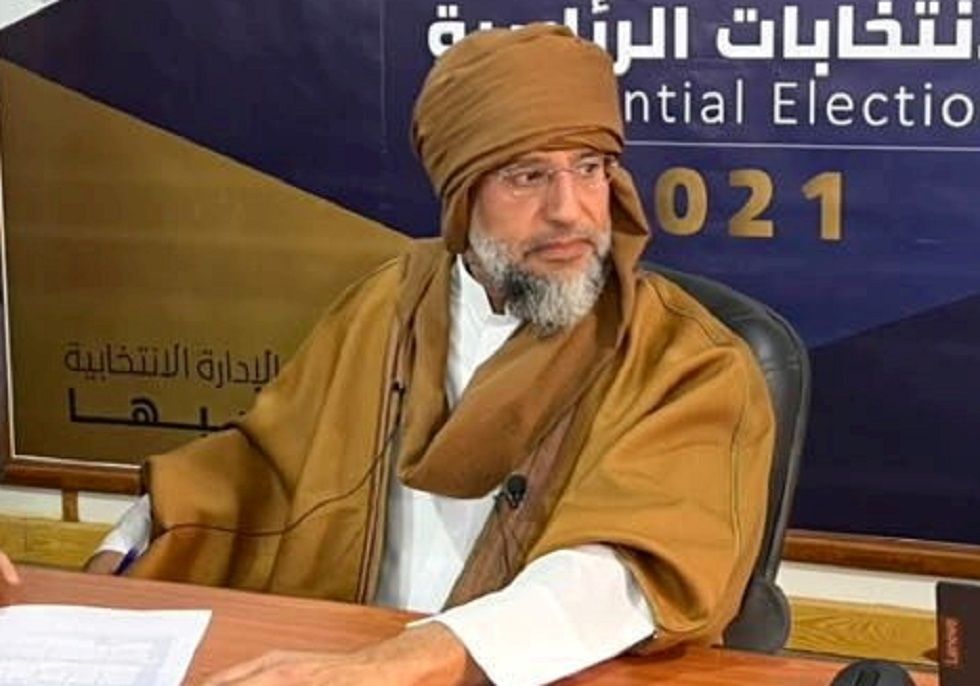
ZINTAN, LIBYA – Emerging reports from Libya indicate that Saif al-Islam Gaddafi, the son of the late Colonel Muammar Gaddafi, has been killed under mysterious circumstances. The incident took place in the mountainous city of Zintan, where he had been residing since the fall of Tripoli during the February 17 Revolution in 2011, reportedly under the protection of local tribal militias.
A Brazen Assault
According to preliminary reports, the assassination occurred when four masked gunmen stormed Gaddafi’s residence. Sources state that he sustained multiple gunshot wounds during the attack. While the specific motives remain unclear, the precision of the raid suggests a targeted operation.
The Libyan Attorney General has officially confirmed the news of his death. An investigation has been launched immediately, following formal reports submitted by Saif al-Islam’s family and his political supporters.
A Polarizing Political Figure
Saif al-Islam’s death comes at a critical juncture for Libya’s fragile political transition. Since the death of his father, he had positioned himself as a major contender in the upcoming presidential elections. Despite the deep-seated controversy surrounding his candidacy and the legacy of his father’s regime, he was widely considered one of the frontrunners, commanding significant support in various regions of the country.
His bid for the presidency had been a subject of intense debate within Libyan society. While some saw him as a figure of stability and reconciliation, others viewed his potential return to power as an affront to the goals of the 2011 revolution.
Lingering Questions
As of now, no group has claimed responsibility for the assassination. Information regarding the perpetrators and their true motives remains imprecise, leaving a vacuum of accountability that many fear could lead to further instability.
Amidst the ongoing investigation, authorities have granted the Gaddafi family permission to transport his body for burial. He is expected to be laid to rest in the city of Bani Walid, a traditional stronghold of support for the former regime.
For many in Libya, the death of Saif al-Islam marks the end of a contentious chapter in the country’s history, but the “mysterious circumstances” surrounding his killing only add to the complexity of Libya’s search for peace and the rule of law.
About the Author